
Bv San Juan 373 – Piso 2 CÓRDOBA
Av. Coronel Díaz 2241 - Piso 6 - Of. D - CABA

info@hins.com.ar

+54 351 568 4500
+54 11 5272 4500
Bv San Juan 373 – Piso 2 CÓRDOBA
Av. Coronel Díaz 2241 - Piso 6 - Of. D - CABA
info@hins.com.ar
+54 351 568 4500
+54 11 5272 4500

 We develop renewable energy projects with a comprehensive approach, covering technical, environmental, economic, and regulatory aspects, with deep knowledge of national and regional regulatory frameworks.
We manage all stages of development and execution: from technical, legal, and commercial feasibility analysis; to engineering, construction, and commissioning; and finally operation and maintenance — ensuring high quality standards at each phase.
We are pioneers in the development and implementation of the Community Distributed Generation model.

GDC is the generation of renewable energy in association with other users. Any user can join forces with others to generate their own energy and then feed it into the electricity grid.
The model is based on the generation of energy from renewable sources through medium-scale projects and its injection into the electricity grid, with the subsequent transfer of credits from the Community User-Owner to the member users.
The GDC makes it possible to expand opportunities for access to clean energy, taking advantage of economies of scale and providing an additional alternative to existing options for self-consumption.
The model offers a wide range of benefits, including: reduced dependence on fossil fuels, increased stability and quality of electricity supply and reduced losses, promotion of cooperative models, generation of local employment and regional development, providing a sustainable approach both technically and economically.
GENERATION COMMUNITY DISTRIBUTED
We comprehensively develop Community Distributed Generation (CDG) projects, including:

It is the use of renewable sources, such as the sun, wind, river water, biomass, and others, to generate electricity for self-consumption, and in turn feed surplus energy into the distribution grid.
SOLAR PHOTOVOLTAIC SYSTEMS FOR SELF-CONSUMPTION
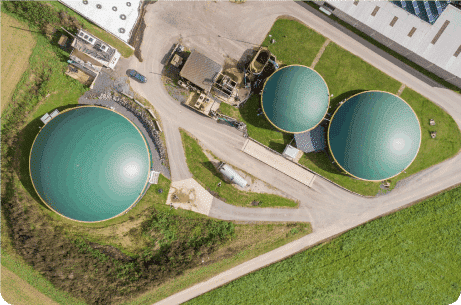
They are renewable energy sources obtained from organic materials, such as agricultural, forestry, and municipal waste, as well as specific energy crops. These sources include biofuels, biogas, and biomass, which can be converted into thermal energy, electricity, biomethane, and liquid fuels.
The importance of bioenergy lies in its ability to reduce dependence on fossil fuels, decrease greenhouse gas emissions, and promote sustainable management of natural resources.
BIOENERGY
info@hins.com.ar
+54 11 5272 4500
+54 351 568 4500

+54 9 3517 145106
Av. Coronel Díaz 2241 - Piso 6 - Of. D - CABA
Bv. San Juan 373 Piso 2 - Córdoba
info@hins.com.br
+55 11 3360 1514
Rua Enxovia 472 Conj 1205 12° andar - Vila São Francisco, São Paulo. SP,04711-030